How to Choose the Right Refrigerant Gas for Your AC System
Choosing the right refrigerant isn't just a technical detail — it affects how efficiently your air-conditioning system runs, how much a service visit will cost, and whether parts and gas will still be available for it in a few years.
Check your system's rated refrigerant first. Every AC unit's nameplate specifies the refrigerant type it was designed for (commonly R-22, R-410A, or newer options like R-32). Never mix refrigerant types in the same system — it can damage the compressor and void any manufacturer warranty.
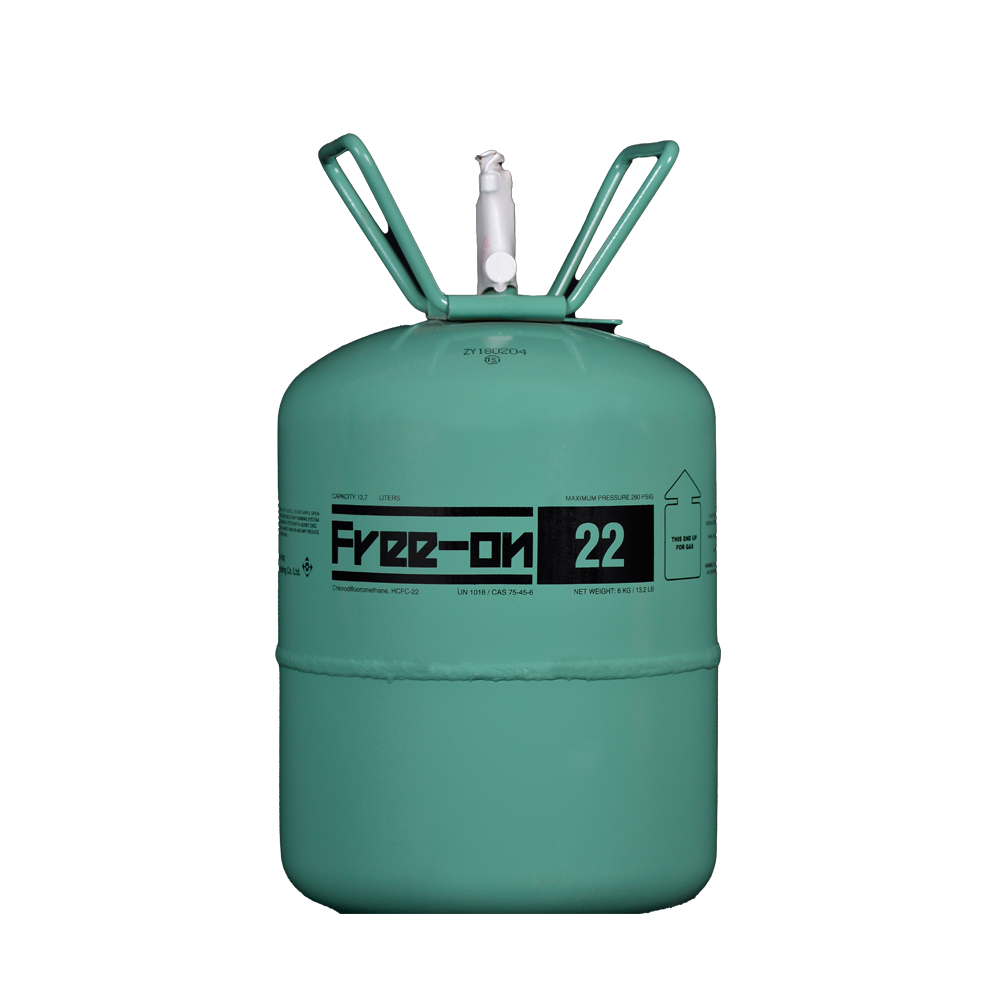
R-22 is being phased out. Many older units still run on R-22, but its production has been restricted for years under international environmental agreements, making it increasingly expensive and harder to source. If your system uses R-22 and needs frequent recharging, it may be more cost-effective in the long run to upgrade to a newer unit than to keep topping up an aging refrigerant supply.
R-410A is the current standard for most residential and light-commercial systems, offering better efficiency and no ozone-depletion impact, though it operates at higher pressures and requires compatible equipment.
Frequent refrigerant top-ups usually mean a leak, not normal wear. A correctly charged, well-sealed system shouldn't need refrigerant added regularly. If your technician is topping up the same unit every season, ask them to pressure-test the lines for leaks rather than just recharging again.
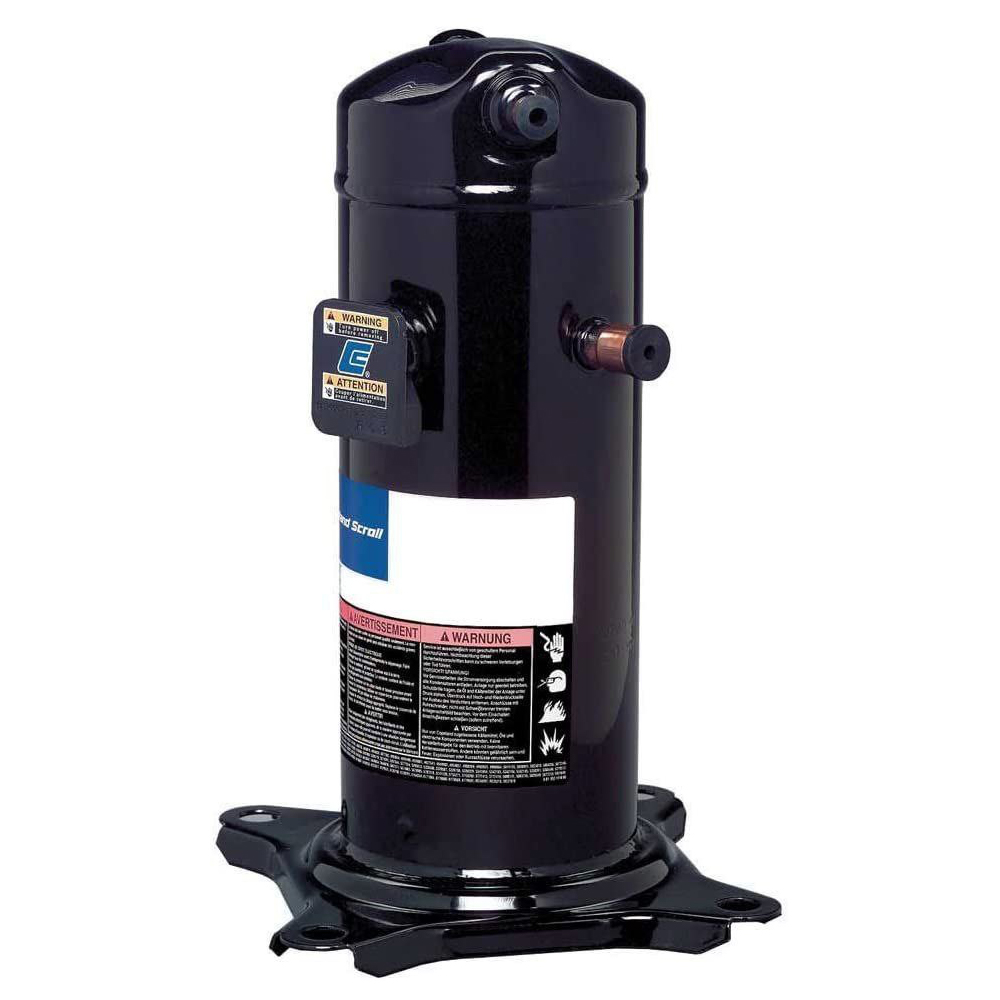
When in doubt, bring your unit's model number and nameplate details to your supplier before purchasing refrigerant or a replacement compressor — matching the exact specification avoids costly mistakes.